
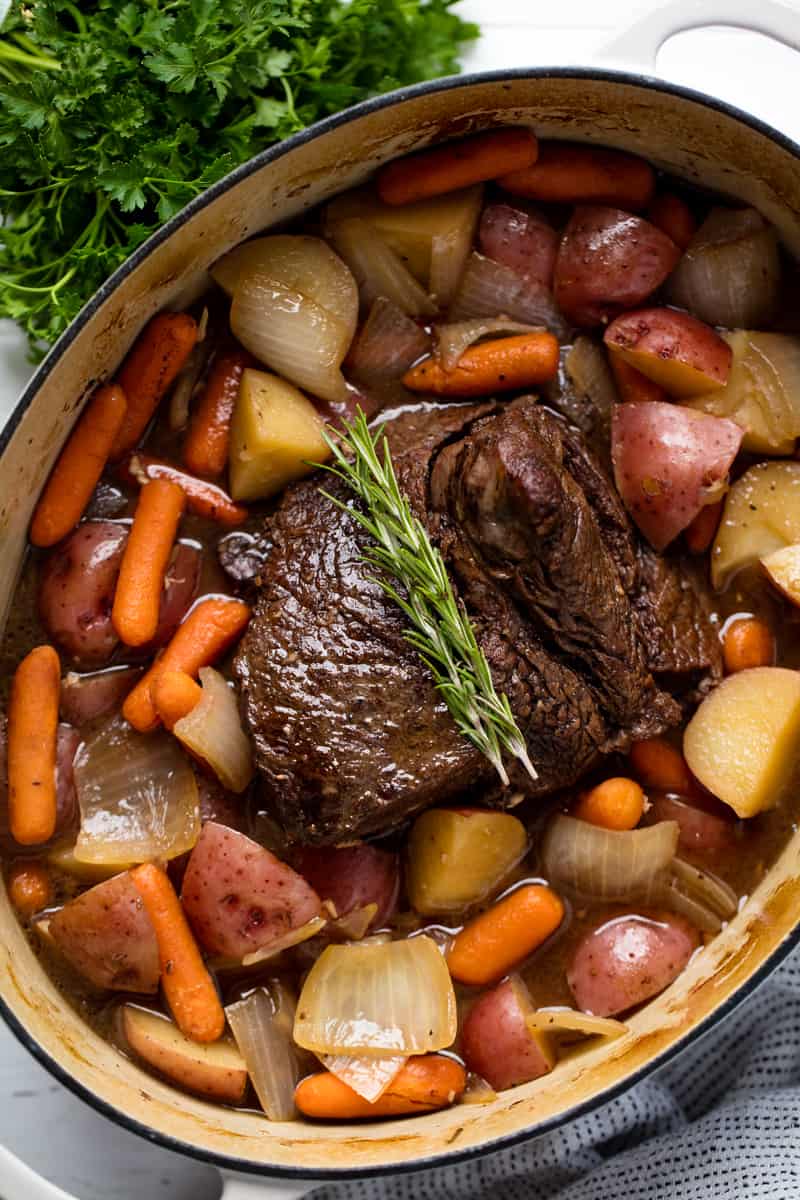
Craving that caramelized, slightly crispy goodness of roasted vegetables, but trying to ditch the added oils? You're not alone! It's a common misconception that you need a generous glug of olive oil to achieve perfectly roasted veggies. But what if I told you that you can get equally delicious, and perhaps even healthier, results without it?
Many of us love the convenience and flavor of roasted vegetables, but we're also mindful of our health. The extra calories and potential drawbacks of using large amounts of oil can be a concern. Maybe you're following a specific diet, trying to reduce your fat intake, or simply prefer a lighter, cleaner taste. The thought of dry, burnt, or steamed-instead-of-roasted vegetables might be holding you back.
This guide is all about unlocking the secrets to roasting vegetables without oil, achieving that desirable texture and taste while keeping things healthy and delicious. We'll explore techniques, tips, and tricks to ensure your oil-free roasted vegetables are anything but bland or boring. Get ready to enjoy guilt-free, perfectly roasted veggies every time!
In this article, we will explain how to roast vegetables without oil, emphasizing techniques like utilizing natural sugars, proper oven temperature, and smart moisture control. You'll learn about the different vegetables that work best, how to prep them for optimal roasting, and the secrets to achieving that perfect caramelization without a drop of oil. We'll also debunk some common myths and provide answers to frequently asked questions.
The Secret Weapon: Embracing Natural Sugars
The target of this section is to educate readers on how to utilize the natural sugars present in vegetables to achieve caramelization and enhance flavor during roasting, eliminating the need for added oils.
I remember the first time I tried roasting vegetables without oil. I was skeptical, picturing sad, shriveled veggies that stuck to the pan. My initial attempts weren't great; they were indeed a bit dry. However, I soon realized that the key was understanding the role of the vegetables' natural sugars. Just like caramelizing onions, roasting leverages these sugars to create that rich, browned flavor. The solution lies in proper preparation and technique.
Vegetables like bell peppers, onions, carrots, and sweet potatoes naturally contain higher amounts of sugars. When exposed to high heat, these sugars caramelize, resulting in a beautiful browning and a concentrated sweetness. This is what gives roasted vegetables their signature flavor. However, even vegetables with lower sugar content can benefit from this process. The trick is to encourage the release of these sugars and prevent them from burning. One way to do this is by cutting the vegetables into evenly sized pieces. This ensures that they cook at the same rate, preventing some pieces from burning while others remain undercooked. Proper spacing on the baking sheet is also crucial. Overcrowding the pan creates steam, which hinders browning. Instead, give each piece enough room to breathe and allow the hot air to circulate.
Furthermore, consider starting with a higher oven temperature. A hotter oven encourages faster caramelization, which helps to prevent the vegetables from drying out. Preheating the baking sheet in the oven is also a great trick. Placing the vegetables on a hot surface helps them to sear immediately, locking in moisture and promoting browning. For vegetables with lower sugar content, you can also enhance their natural sweetness by tossing them with a small amount of balsamic vinegar or lemon juice before roasting. These ingredients not only add flavor but also help to break down the vegetables' cell walls, making it easier for the natural sugars to caramelize.
Understanding Moisture Control
This section aims to educate readers on the importance of managing moisture levels during oil-free roasting. We'll cover how to prevent vegetables from steaming instead of roasting, ensuring a crisp and caramelized texture.
The key to successful oil-free roasting lies in controlling moisture. Too much moisture and your vegetables will steam, not roast. They'll be soft and limp, lacking that desirable caramelized exterior. So, how do we prevent this? The first step is to thoroughly dry your vegetables after washing them. Excess water on the surface will turn to steam in the oven. Use a clean kitchen towel or a salad spinner to remove as much moisture as possible.
As mentioned before, overcrowding the baking sheet is a major culprit when it comes to steaming vegetables. When vegetables are packed too closely together, they release moisture that gets trapped, creating a humid environment that prevents browning. Make sure to spread the vegetables in a single layer, leaving space between each piece. If you have a lot of vegetables to roast, it's better to use two baking sheets than to overcrowd one.
Another helpful tip is to use a perforated baking sheet or a roasting rack. These allow for better air circulation around the vegetables, which helps to evaporate moisture and promote browning. If you don't have either of these, you can improvise by using a regular baking sheet lined with parchment paper. However, be sure to leave a small gap between the parchment paper and the edges of the baking sheet to allow for air to escape. Finally, resist the urge to stir the vegetables too frequently. While it's important to turn them occasionally to ensure even cooking, excessive stirring can release moisture. Only stir when necessary, and try to do it gently to avoid breaking the vegetables.
History and Myths of Oil-Free Roasting
This section explores the historical context of roasting vegetables and debunks common myths surrounding the need for oil in the roasting process, providing readers with a clearer understanding of the technique.
Roasting vegetables is a cooking method that has been around for centuries. Historically, it was a simple way to cook food over an open fire or in a wood-fired oven. While oil has undoubtedly been used in roasting for a long time, it wasn't always a necessity. In the past, people relied on the natural fats present in some foods or simply accepted a slightly drier result.
One common myth is that oil is essential for achieving browning and caramelization. While oil can certainly help with this process, it's not the only way. As we've discussed, the natural sugars in vegetables can caramelize beautifully on their own with the right technique. Another myth is that oil is necessary to prevent vegetables from sticking to the pan. While oil does act as a lubricant, there are other ways to prevent sticking. Using parchment paper or a silicone baking mat can create a non-stick surface without the need for oil.
Many believe that oil is crucial for flavor, but the truth is, you can create incredibly flavorful roasted vegetables without it. By focusing on proper seasoning, utilizing the natural sweetness of the vegetables, and employing techniques to enhance caramelization, you can achieve a depth of flavor that rivals oil-roasted vegetables. In fact, many people find that oil-free roasting allows the natural flavors of the vegetables to shine through more clearly.
Hidden Secrets to Enhance Flavor
This section reveals lesser-known techniques for boosting the flavor of oil-free roasted vegetables, including using spices, herbs, and other flavor enhancers to create delicious and satisfying dishes.
One of the biggest concerns people have about roasting vegetables without oil is that they might lack flavor. However, there are plenty of hidden secrets you can use to enhance the taste and make your oil-free roasted vegetables incredibly delicious. The first secret is to be generous with your seasonings. Don't be afraid to experiment with different herbs and spices to find your favorite combinations. Garlic powder, onion powder, paprika, chili powder, and dried herbs like rosemary, thyme, and oregano are all excellent choices.
Another secret is to use umami-rich ingredients. Umami is a savory, meaty flavor that can add depth and complexity to your dishes. Ingredients like nutritional yeast, miso paste, and dried mushrooms are all great sources of umami. A sprinkle of nutritional yeast can add a cheesy flavor, while a small amount of miso paste can provide a salty, savory kick. Dried mushrooms can be rehydrated and added to the vegetables before roasting, or they can be ground into a powder and used as a seasoning.
Finally, consider adding a touch of acidity. A squeeze of lemon juice or a drizzle of balsamic vinegar can brighten up the flavors and add a touch of tanginess. Acidity also helps to balance out the sweetness of the vegetables and prevent them from tasting bland. You can add these ingredients before roasting, or you can drizzle them over the vegetables after they come out of the oven. Experiment with different combinations and see what works best for you.
Recommendations for Best Vegetables to Roast Oil-Free
This section provides recommendations on the best types of vegetables that work well for oil-free roasting, highlighting their unique characteristics and offering tips for preparation.
Not all vegetables are created equal when it comes to oil-free roasting. Some vegetables naturally lend themselves better to this technique than others. Root vegetables like potatoes, sweet potatoes, carrots, and parsnips are excellent choices because they have a high sugar content and tend to caramelize beautifully. They also hold their shape well during roasting, preventing them from becoming mushy.
Tips for Roasting Specific Vegetables
Bell peppers and onions are also great for oil-free roasting. They have a slightly higher moisture content, which helps to keep them from drying out. However, be sure to spread them in a single layer on the baking sheet to prevent them from steaming. Broccoli and cauliflower can also be roasted without oil, but they tend to dry out more easily. To prevent this, you can blanch them briefly before roasting. Blanching involves boiling the vegetables for a few minutes and then immediately plunging them into ice water. This helps to soften them slightly and lock in moisture.
Delicate vegetables like zucchini and asparagus can also be roasted without oil, but they require a shorter cooking time and a lower oven temperature. They also benefit from being tossed with a small amount of lemon juice or balsamic vinegar before roasting. Ultimately, the best vegetables for oil-free roasting are the ones you enjoy eating the most. Don't be afraid to experiment with different types of vegetables and find your favorite combinations. With the right technique, you can roast almost any vegetable without oil and achieve delicious results.
Essential Tips for Perfect Oil-Free Roasting
This section offers a compilation of essential tips to ensure consistently perfect results when roasting vegetables without oil, covering aspects such as oven temperature, timing, and seasoning.
Achieving perfectly roasted vegetables without oil requires a combination of the right techniques and attention to detail. One of the most important tips is to preheat your oven to the correct temperature. For most vegetables, a temperature of 400-425°F (200-220°C) works well. However, more delicate vegetables may require a lower temperature. As mentioned before, preheating the baking sheet in the oven is also a great way to promote browning and prevent sticking.
Optimizing Oven Temperature and Timing
Another important tip is to cut your vegetables into evenly sized pieces. This ensures that they cook at the same rate and prevent some pieces from burning while others remain undercooked. When seasoning your vegetables, don't be afraid to be generous. Use a combination of salt, pepper, herbs, and spices to create a flavorful blend. You can also add a touch of acidity with lemon juice or balsamic vinegar. During roasting, be sure to turn the vegetables occasionally to ensure even cooking. However, avoid stirring them too frequently, as this can release moisture and prevent browning. Keep a close eye on your vegetables while they're roasting and adjust the cooking time as needed. The exact cooking time will depend on the type of vegetable, the size of the pieces, and the temperature of your oven. Finally, let the vegetables rest for a few minutes after they come out of the oven. This allows the flavors to meld together and the vegetables to cool slightly, making them easier to handle.
Fun Facts About Roasted Vegetables
This section shares some fun and interesting facts about the history, nutritional benefits, and cultural significance of roasted vegetables, adding an element of entertainment to the guide.
Did you know that roasting vegetables is one of the oldest cooking methods? Evidence suggests that humans have been roasting food over open fires for thousands of years. In ancient times, roasting was a simple and effective way to cook food without the need for elaborate equipment. Roasted vegetables are also incredibly nutritious. Roasting helps to preserve the vitamins and minerals in vegetables, making them a healthy and delicious addition to any diet. Roasting can even increase the bioavailability of certain nutrients, meaning that your body can absorb them more easily.
Step-by-Step Guide to Oil-Free Roasting
This section provides a clear and concise step-by-step guide on how to roast vegetables without oil, making it easy for readers to follow along and achieve successful results.
Ready to try roasting vegetables without oil? Here's a simple step-by-step guide to get you started:
- Preheat your oven to 400°F (200°C).
- Wash and dry your vegetables thoroughly.
- Cut the vegetables into evenly sized pieces.
- Toss the vegetables with your favorite seasonings, such as salt, pepper, garlic powder, and dried herbs.
- Line a baking sheet with parchment paper or a silicone baking mat.
- Spread the vegetables in a single layer on the baking sheet.
- Roast for 20-30 minutes, or until the vegetables are tender and slightly browned, turning them occasionally.
- Let the vegetables rest for a few minutes before serving.
What If My Vegetables Don't Brown?
This section addresses common issues that may arise during oil-free roasting, such as vegetables not browning properly, and provides troubleshooting tips to resolve these problems.
Sometimes, despite your best efforts, your vegetables may not brown as much as you'd like. If this happens, there are a few things you can try. First, make sure that your oven is properly preheated. A cold oven will prevent the vegetables from browning. Second, check that the vegetables are spread in a single layer on the baking sheet. Overcrowding the pan will create steam, which inhibits browning. Third, consider increasing the oven temperature slightly. However, be careful not to burn the vegetables. If the vegetables are starting to burn before they're fully cooked, you can lower the oven temperature and continue roasting until they're tender.
Top 5 Vegetables to Roast Without Oil: A Listicle
This section presents a list of the top five vegetables that are particularly well-suited for oil-free roasting, providing reasons for their selection and tips for preparing each one.
Here are my top 5 vegetables to roast without oil:
- Sweet Potatoes: Naturally sweet and caramelize beautifully.
- Broccoli: Gets wonderfully crispy and slightly nutty.
- Carrots: Develop a deep, rich flavor and a tender texture.
- Bell Peppers: Become sweet and slightly smoky.
- Onions: Caramelize and add a savory depth to any dish.
Question and Answer
Q: Can I use frozen vegetables for oil-free roasting?
A: Yes, you can! However, you'll need to take extra care to remove excess moisture. Thaw the vegetables completely and pat them dry with a clean kitchen towel before roasting.
Q: What seasonings work best for oil-free roasted vegetables?
A: The possibilities are endless! Experiment with different herbs, spices, and seasonings to find your favorite combinations. Garlic powder, onion powder, paprika, chili powder, dried rosemary, thyme, and oregano are all excellent choices.
Q: How do I prevent vegetables from sticking to the baking sheet?
A: Line your baking sheet with parchment paper or a silicone baking mat. This will create a non-stick surface without the need for oil.
Q: What temperature should I use for oil-free roasting?
A: A temperature of 400-425°F (200-220°C) works well for most vegetables. However, more delicate vegetables may require a lower temperature.
Conclusion of How to Roast Vegetables Without Oil
Roasting vegetables without oil is not only possible, but it's also a delicious and healthy way to enjoy these nutritional powerhouses. By understanding the principles of moisture control, utilizing the natural sugars in vegetables, and experimenting with different seasonings, you can create flavorful and satisfying oil-free roasted vegetables that rival their oil-laden counterparts. So, ditch the oil and embrace the goodness of naturally roasted vegetables – your taste buds (and your body) will thank you!